Professional climbers Tommy Caldwell and Kevin Jorgeson topped out on El Capitan’s Dawn Wall route today. For the two climbers, the summit was the immediate product of 19 days spent assaulting the legendarily difficult route up one of the world’s most recognizable big walls. The duo were the first to successfully free climb the wall— meaning that they only used ropes and gear to protect from falls, not aid in the ascent.
Many in the hardcore climbing community had thought the wall would never go free. Caldwell and Jorgeson disagreed.
Caldwell and Jorgeson spent nearly three weeks living on the wall, a story-line which attracted the notice of the mainstream media. But to say that this feat only took 19 days would be horribly disingenuous.
Jorgeson and Caldwell have been projecting this wall together since 2009, making this ascent a project which was seven years in the making. Seven years for a climb might sound ludicrous, but there is something about climbing which tends to take over a life. And by any standard, the Dawn Wall was a difficult project.
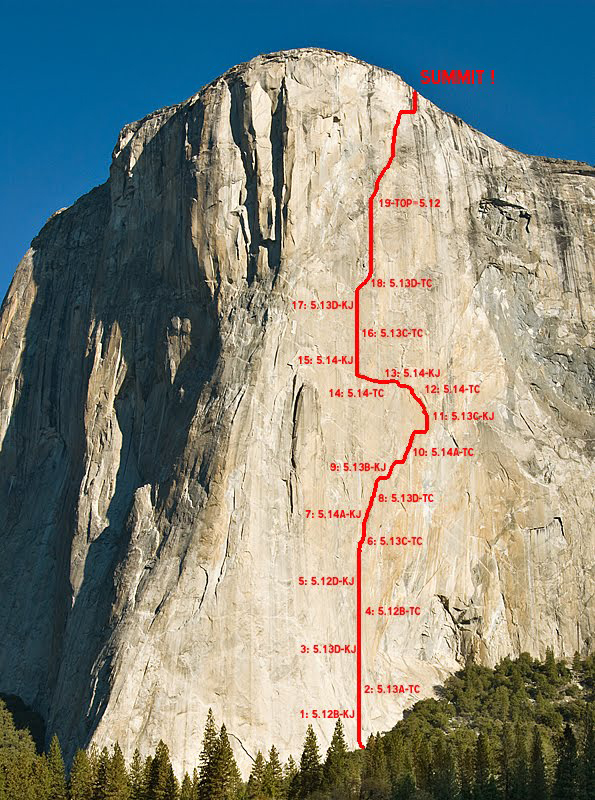
The EASIEST climbing on the Dawn Wall is graded at 5.12— already a grade which few climbers ever reach. The route features SEVEN pitches of 5.14 climbing with two pitches of 5.14d— polished stone and practically pure vertical. Near impossible.
But the technical aspects of the climb, although impressive, aren’t important. People don’t climb to chase numbers or to break records. Sending a 5.14d is not why people will leave their lives behind and hit the cliffs in search of Nirvana. Climbing is a physical way to come to terms with the Unbearable Lightness of Being. Something about the sport, about ascending, allows the human soul to touch the void.
Just look at one of the many updates Kevin Jorgeson wrote from the Dawn Wall:
“My battle with Pitch 15 continues. After 6 years of work, my #DawnWall quest comes down to sending this pitch. Last night, I experienced a lightness and calm like never before. Despite failing, it will always be one of my most memorable climbing experiences.”
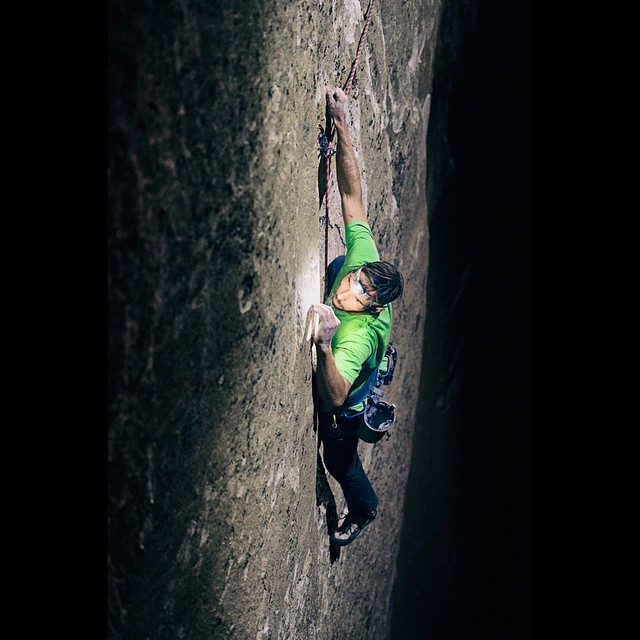
THIS is why the Dawn Wall is important. THIS is why the New York Times covered the story. And THIS is why I will climb until the day I die.
It is not an explicit sentiment. I can’t put the idea into words for you; at least not more succinctly than I am doing now. That lightness is something implicitly understood; an unspoken fraternal bond between anyone who chooses to rope up again and again. Climbing is a metaphor for the human spirit.
Yes, there are ropes which can be used to ascend the Dawn Wall. Yes, it must be frustrating to project the same wall for seven years and not send. And yes, in the grand scheme of things, ascending a rock face, even an extremely slick one, won’t change the world.
None of that needs to matter.
And in a way, climbing represents a rejection of all that.
It is a zen.
Jorgeson and Caldwell summiting the Dawn Wall represents not 19 days, not seven years, not a decade of work, but a lifetime. Their quest represents the human spirit soaring to the heavens in a way which is not often seen in our everyday, grocery-store type existence. Sending the Dawn Wall, despite the media circus, represents a deeply personal moment.
The two deserve congratulations, sponsorship deals, and the film which will inevitably be coming. They of course deserve all of that. They accomplished an incredible feat— free climbing El Cap is plenty difficult without choosing the most difficult route. But nothing which we can say about these men matters much: they have freed themselves.
We would do well to take notice in our own lives.


 thisisyouth