
A broken foot begets a lot of free time. My climbing accident gave me the most spare time I’ve had since Covid – at least the most spare time with no athletic activity to fill it. At first I read a couple climbing books – since I’ve been buying and selling this genre, I have a tremendous amount on hand. But most climbers aren’t great writers, and the genre does not excite when you can’t actively dream. I turned to fantasy.
The Witcher is a Polish fantasy series, although it really reach an international audience through the video game adaptations, especially The Witcher 3: Wild Hunt, which was a worldwide hit. Indeed, playing The Witcher 3 during Covid quarantine is what got me interested in the world.
Embarrassed after such cheap fare, I finished up my recent reads with a more nutritious Roberto Bolano novel, in Spanish.
A bit more on each of these, below.
Beyond the Mountain by Steve House

Climbing book. Beyond the Mountain covers Steve’s climbing career from being a young exchange student learning with the Slovenian Alpine Club, to years guiding on Denali, and concludes with his successful 2005 ascent of the Rupal Face on Nanga Parbat with Vince Anderson. (The Rupal Face, considered by many the largest mountain face in the world, just saw a rare ascent a couple weeks ago – and a paraglider descent!) Steve’s a great climber but a middling writer. The climatic chapter, about the Rupal Face, markedly suffers from a strange structure which cuts between the ascent and the descent.
My favorite chapter is one where he tells the story of falling into a crevasse while solo on the glaciers above Chamonix.
The Witcher Series
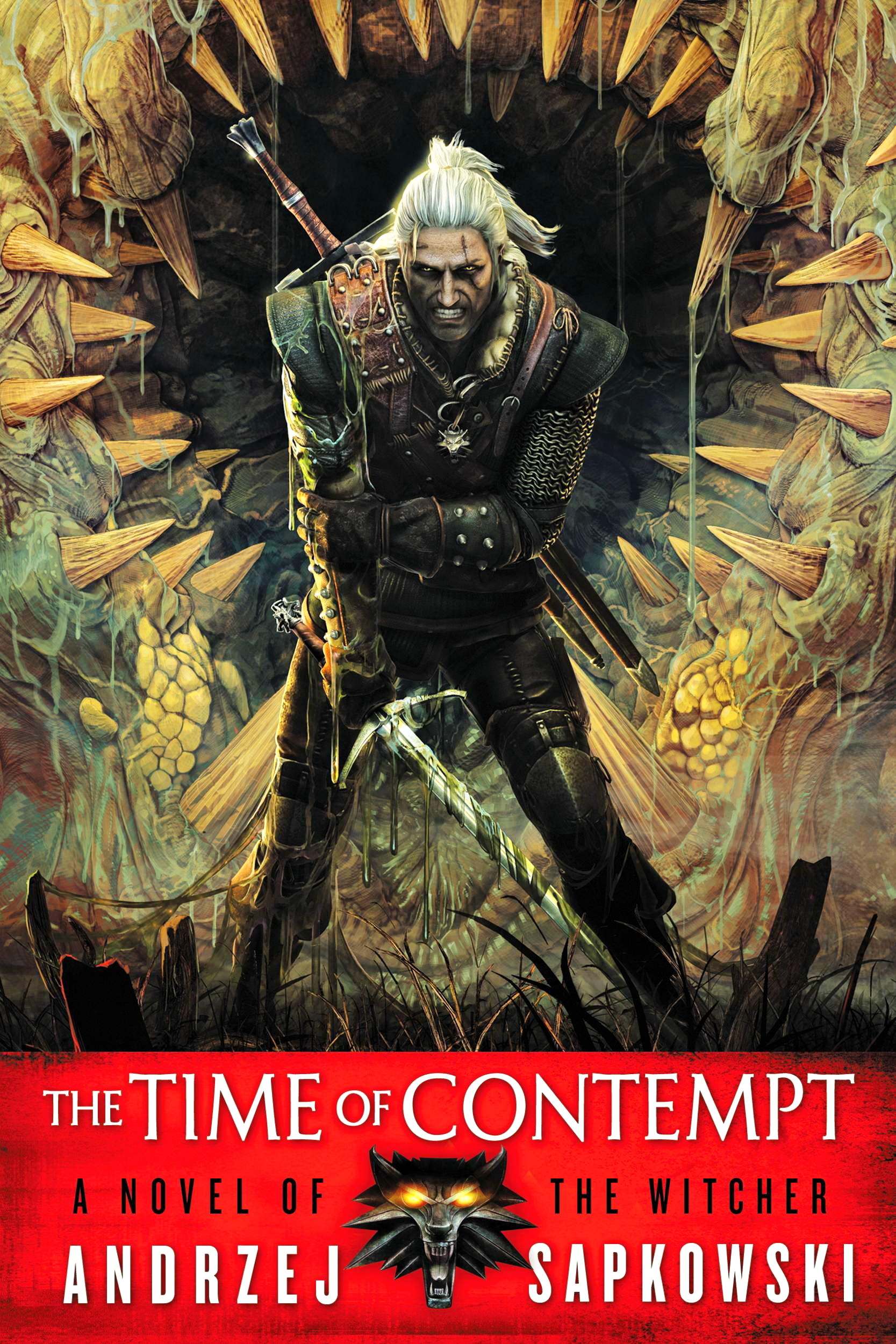
When I bored of climbing, I turned to fantasy. I picked up The Last Wish for cheap at a local bookstore, since I enjoyed the Witcher 3 video game. This is an interesting example, actually, since the book series, which was originally published in Polish, really only gained worldwide popularity due to the success of the videogames. Not too often it works that way.
There are currently eight Witcher books available in English, with a ninth expected to release this September. In chronological order, those titles are:
- The Last Wish (short stories)
- The Sword of Destiny (short stories)
- The Blood of Elves (Witcher Saga 1)
- The Time of Contempt (Witcher Saga 2)
- The Baptism of Fire (Witcher Saga 3)
- The Tower of Swallows (Witcher Saga 4)
- The Lady of the Lake (Witcher Saga 5)
- Season of Storms (Standalone prequel novel)
- Crossroad of Ravens (Standalone prequel novel)
I get the sense that the English translation isn’t the best – it lacks style, which people claim is present in the Polish. Still, these books read quick (1-2 days per book) and the world and characters are endearing, especially if you’ve played the game and have the background context. I liked Sword of Destiny and Season of Storms the most (both standalone).
El Espiritu de la Ciencia-Ficcion by Roberto Bolano
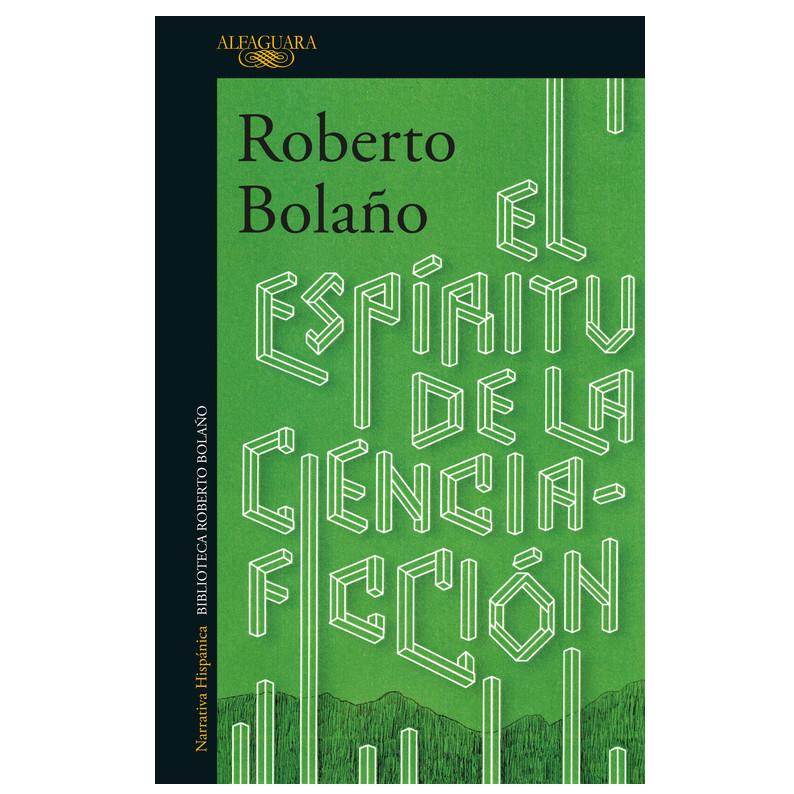
(“The Spirit of Science Fiction” in English translation).
Since I am not spending the summer in Peru (sad!), I figured I should sharpen my Spanish in another way. Roberto Bolano is a Chilean author, probably most well-known for the (physically and thematically) heavy 2666. I picked this Spanish-language novel out at the library due to its slim size and short chapters – very appealing features when reading in your second language. It will take me longer to read this book than it did to read the entire Witcher series. But that’s ok.
This book was published posthumously (usually not a good sign, I’ve discovered), but was written early in Bolano’s career. It opens with two young Chilean poets starting their new lives in Mexico City, 1970s. The most common take on this novel seems to be that it is the early draft of The Savage Detectives, which was published in Bolano’s lifetime.
I’ve not read The Savage Detectives, so I can’t comment on that angle. The writing so far in El Espiritu de Ciencia-Ficcion so far has verve and charisma, and I’ll be happy to keep reading it, even if it does not coalesce perfectly.
Y Tu?
Any thoughts on these particular books? What have you been reading? Got a recommendation?? Let’s talk books. The comments are below!
 thisisyouth
Reading this felt like being in that in‑between space you described — stuck, healing, and yet wandering mentally through whole worlds. It really struck me when you said that climbing books “don’t excite when you can’t actively dream.” I’ve felt that same frustration after an injury — like paging through adventure stories but feeling caged in your own body.
It instantly brought me back to my own quiet, grounded days in Nepal before a trek — sitting in Pokhara by Phewa Lake, staring at Machhapuchhre’s sharp outline, waiting for my body to feel ready for the Annapurna trails. Like you turning to The Witcher’s imagined lands, I’d mentally walk those stone staircases to Ghorepani, feel the crunch of the forest floor under my boots, smell the woodsmoke from tiny teahouses.
And your notes on Bolano hit differently — that raw, unfinished, posthumous energy. It reminded me of the landscapes of Nepal itself: chaotic yet magnetic. The jagged, imperfect terrain from Lukla to Namche, the steep switchbacks softened by rhododendron blossoms, the messy beauty that somehow feels more alive than anything polished.
If I can offer a “critique,” it’s this — your post made me want even more of the personal tether. I’d love to hear how these books reshaped your vision of the mountains you can’t climb right now, how fantasy worlds or Chilean poets translate to your lived alpine dreams.
Have you read anything that bridges these two — the cerebral and the physical — like Peter Matthiessen’s The Snow Leopard? It has that same “injured but wandering” soul you’re capturing here.
https://www.himalayaheart.com/trip/upper-mustang-trek